2014—2019
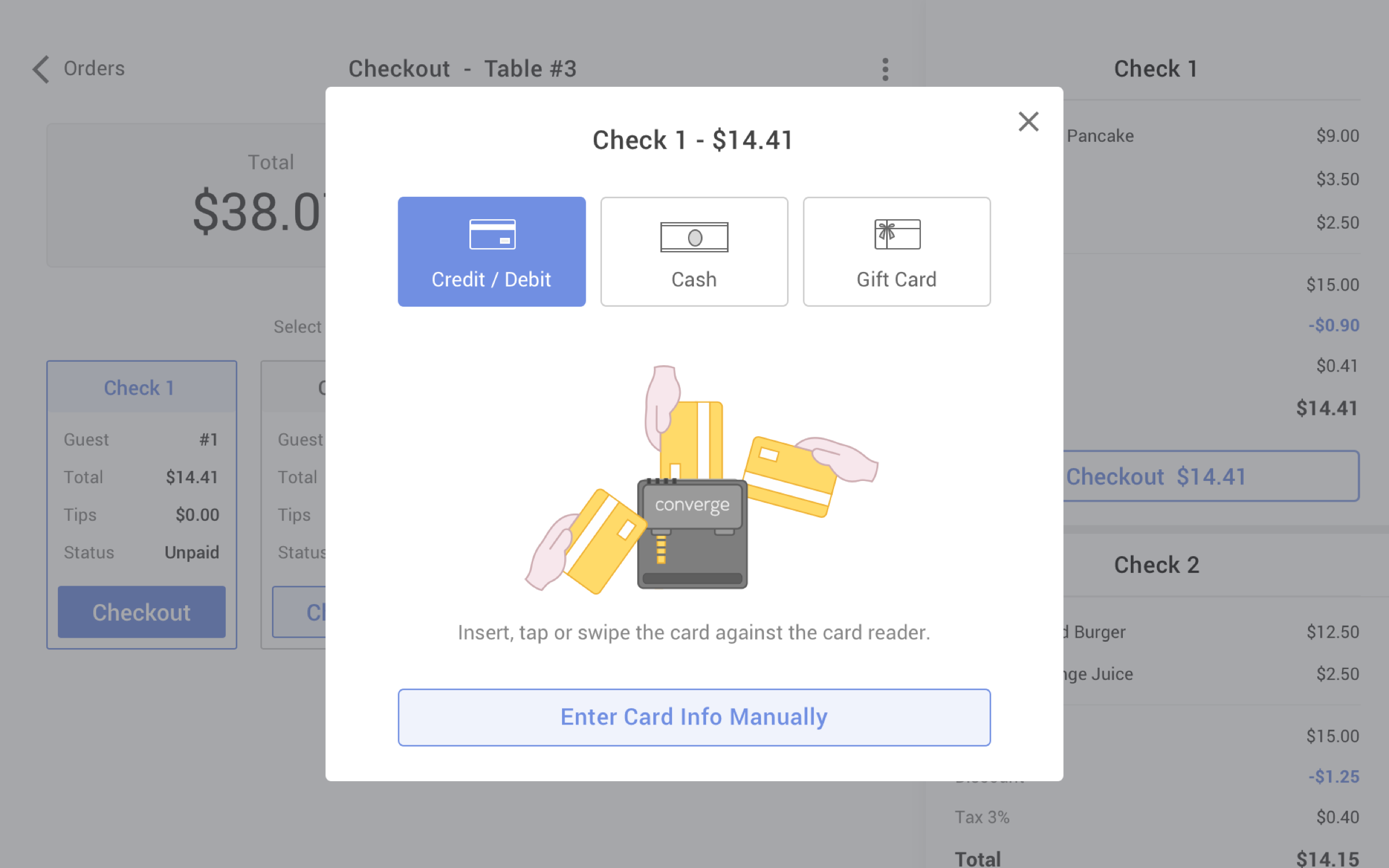
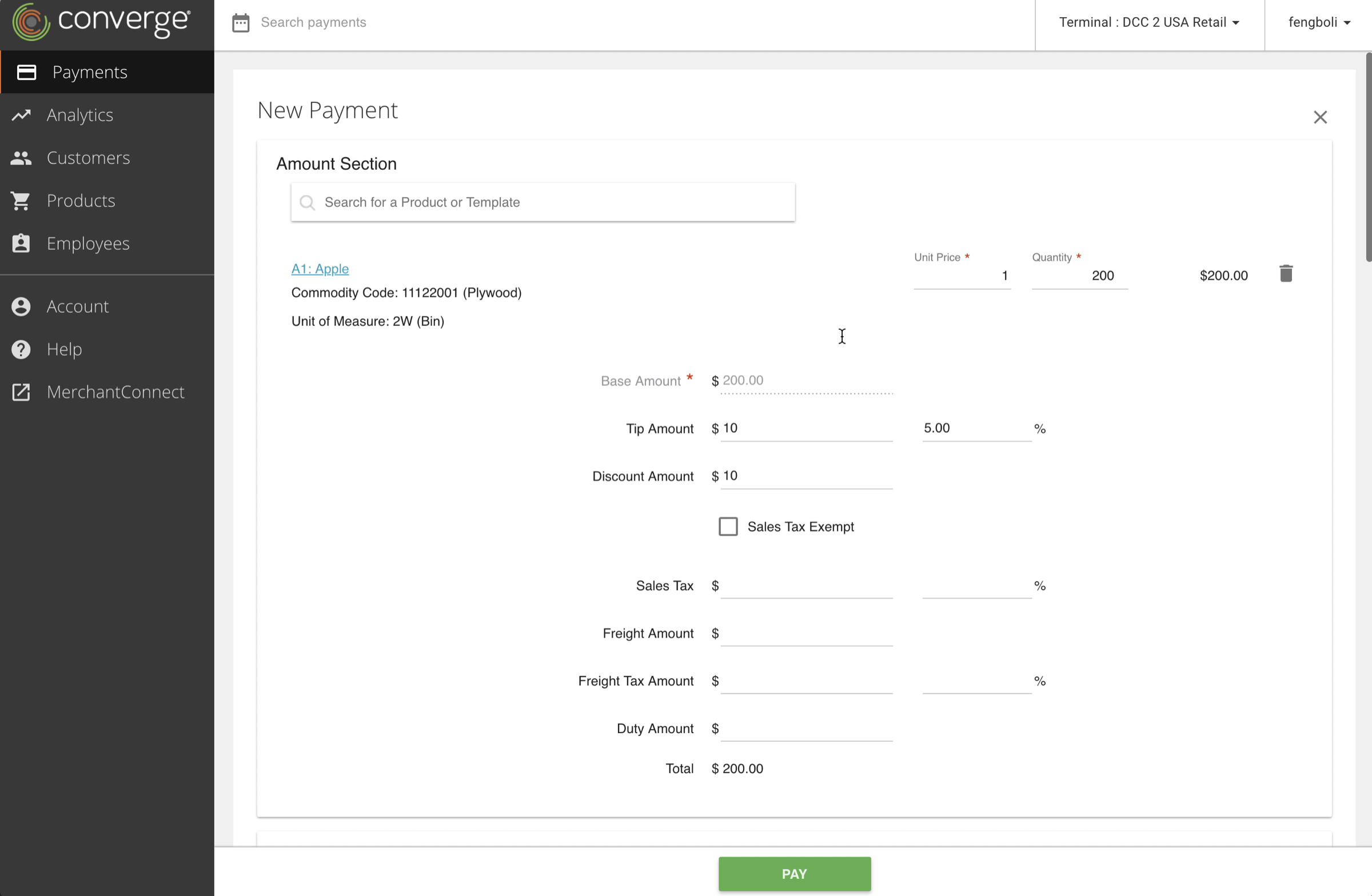
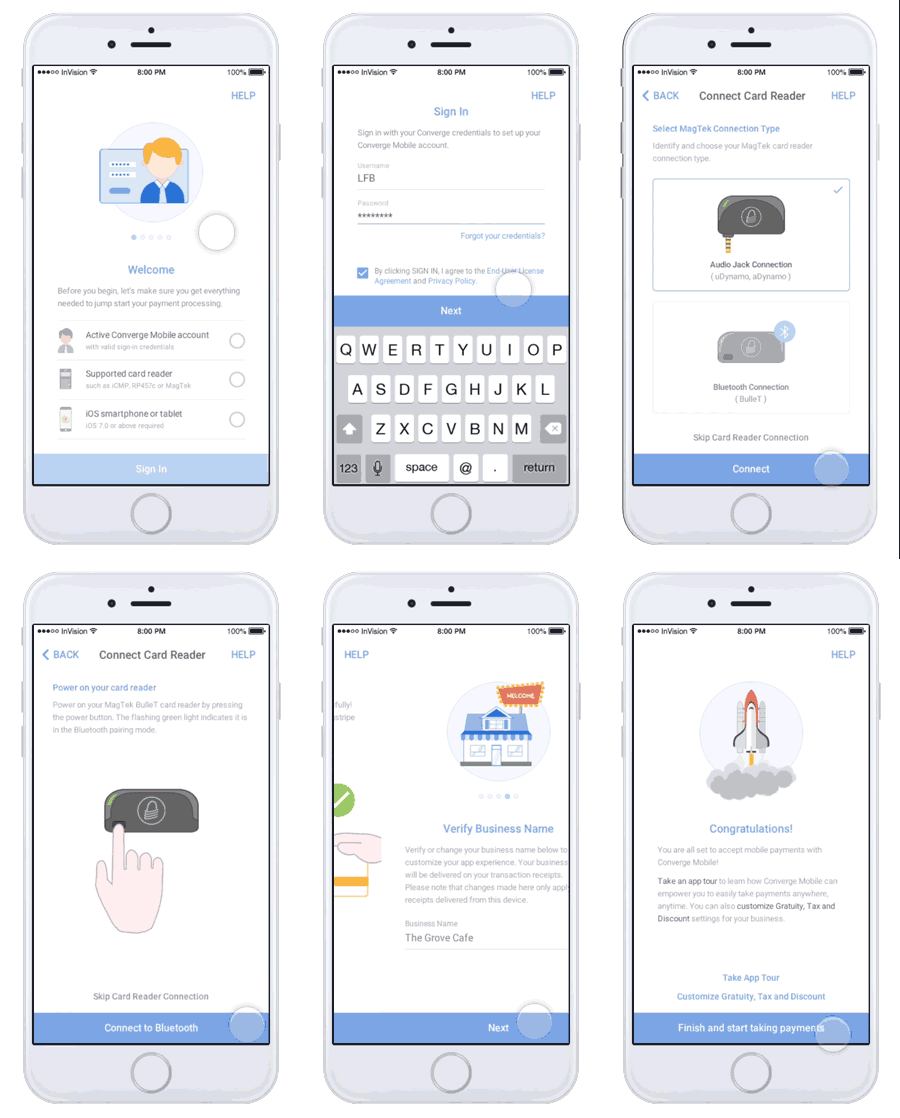
U.S. Bank (Elavon)
Designed point-of-sale and back-office fintech products for merchants—helping businesses accept payments, manage transactions, and run daily operations with clarity, control, and trust.

Hello, I’m Fengbo.
Learning from real work and human judgment, agents and systems become more intelligent and reliable over time—so the organization doesn’t have to solve the same problem twice.
↓My path
2014—2019
Designed point-of-sale and back-office fintech products for merchants—helping businesses accept payments, manage transactions, and run daily operations with clarity, control, and trust.
2019—2021
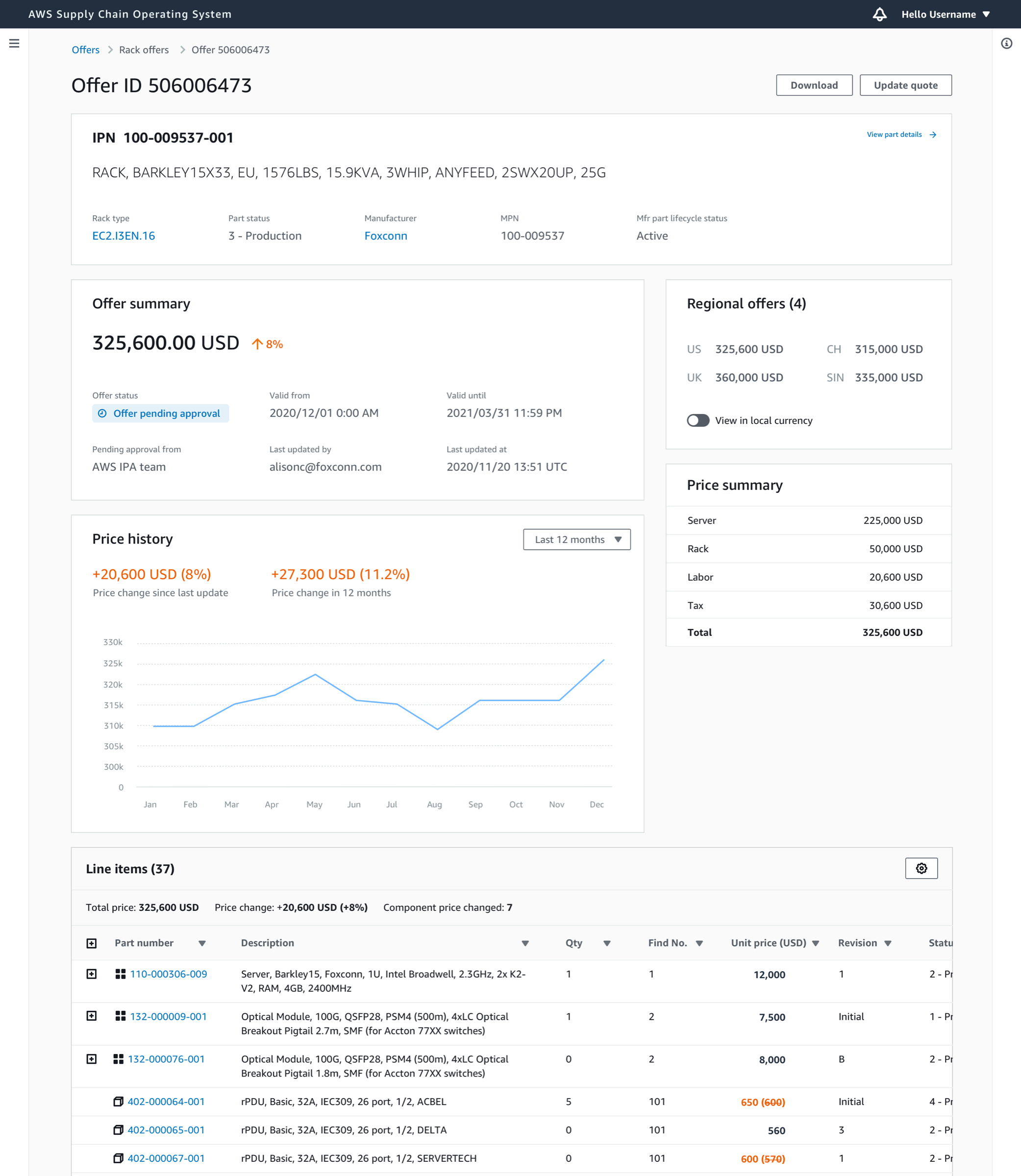
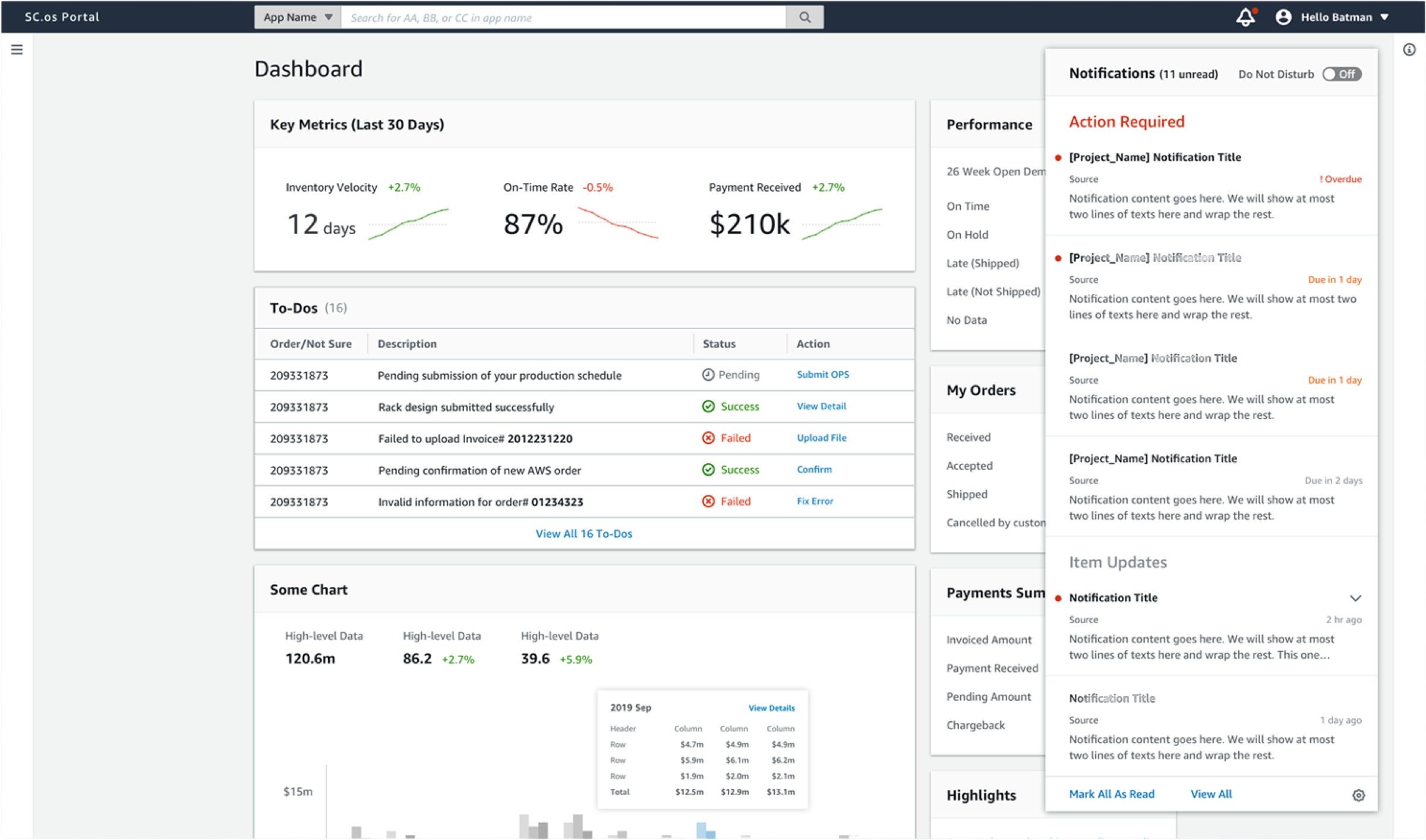
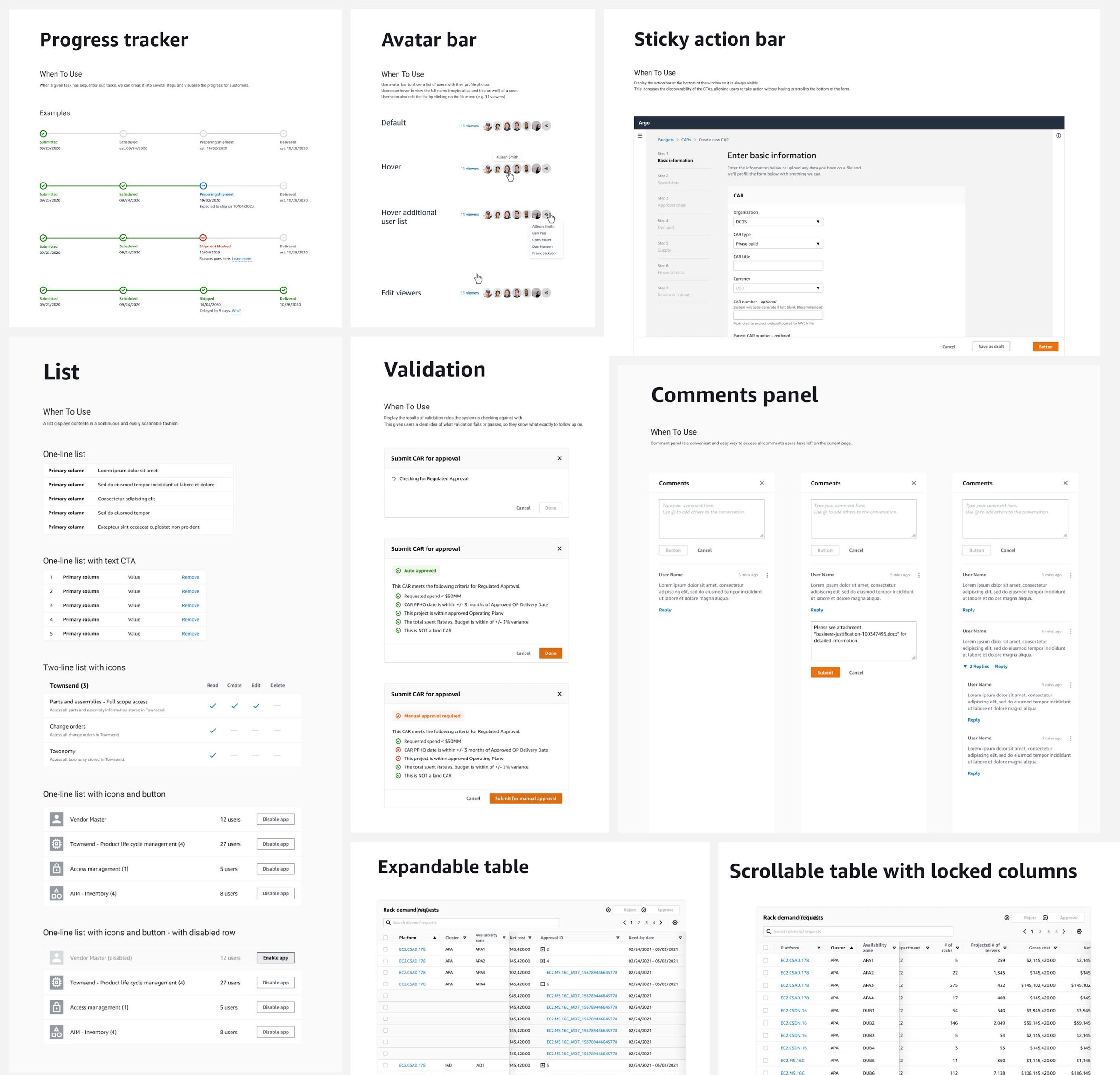
Mapped deeply technical supply-chain operations to uncover where manual work, fragmented data, and systemic bottlenecks held the enterprise back—then designed systems to remove them.
2022—2024
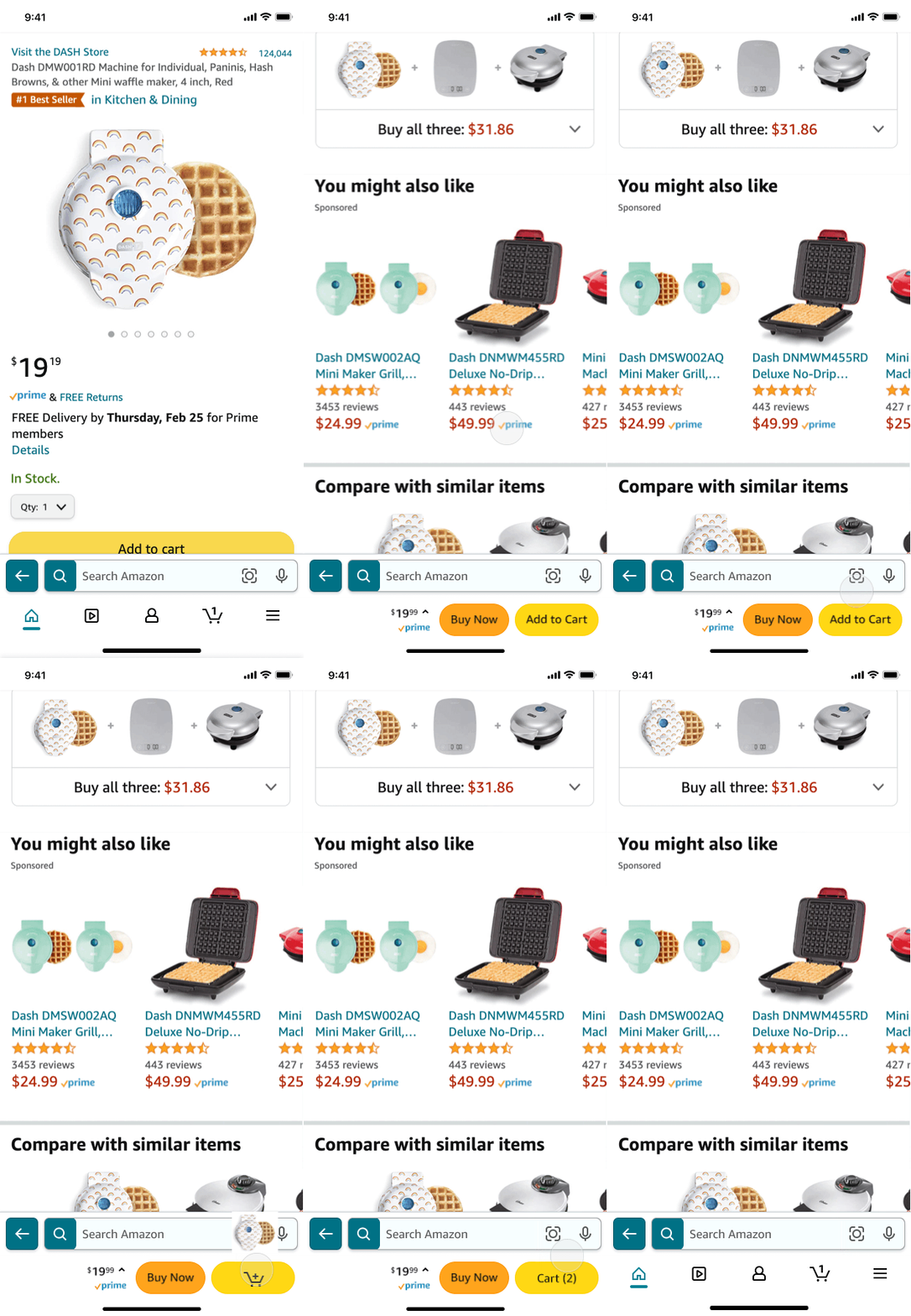
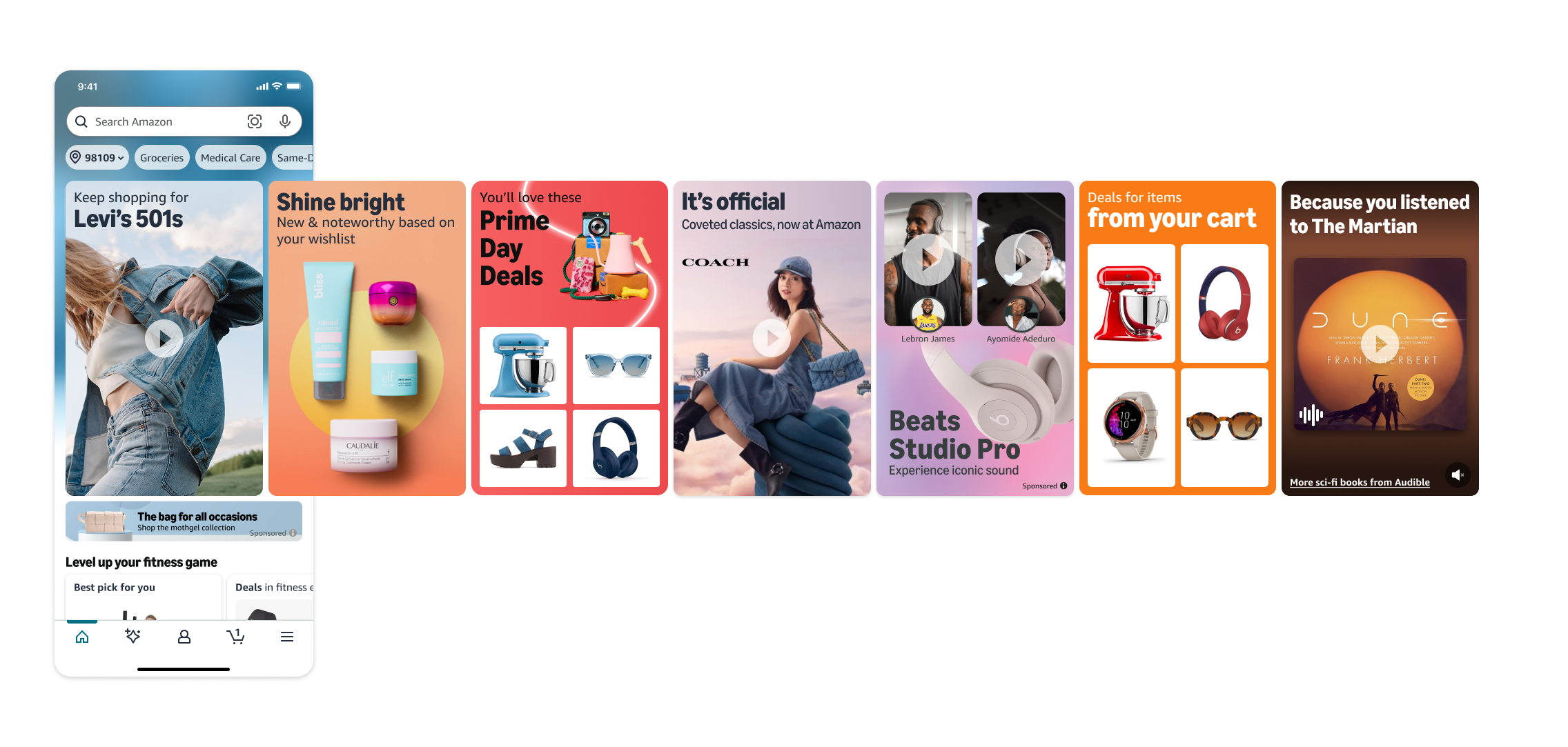
Led one of the Amazon mobile app homepage’s most significant transformations in a decade, introducing personalized “Window Displays” across one of the world’s most visited digital services so every customer could browse and discover what matters to them.
2024—2025
Led the design team in rethinking human–AI collaboration through an observe–learn–automate–improve cycle—agents understand how work gets done, act on people’s behalf, and involve people where judgment is needed to preserve control and earn trust.
2025—Now
Expanding from improving one workflow at a time to improving how the organization operates—using operational evidence and enterprise knowledge to recommend, validate, and scale increasingly autonomous improvements.
Selected work
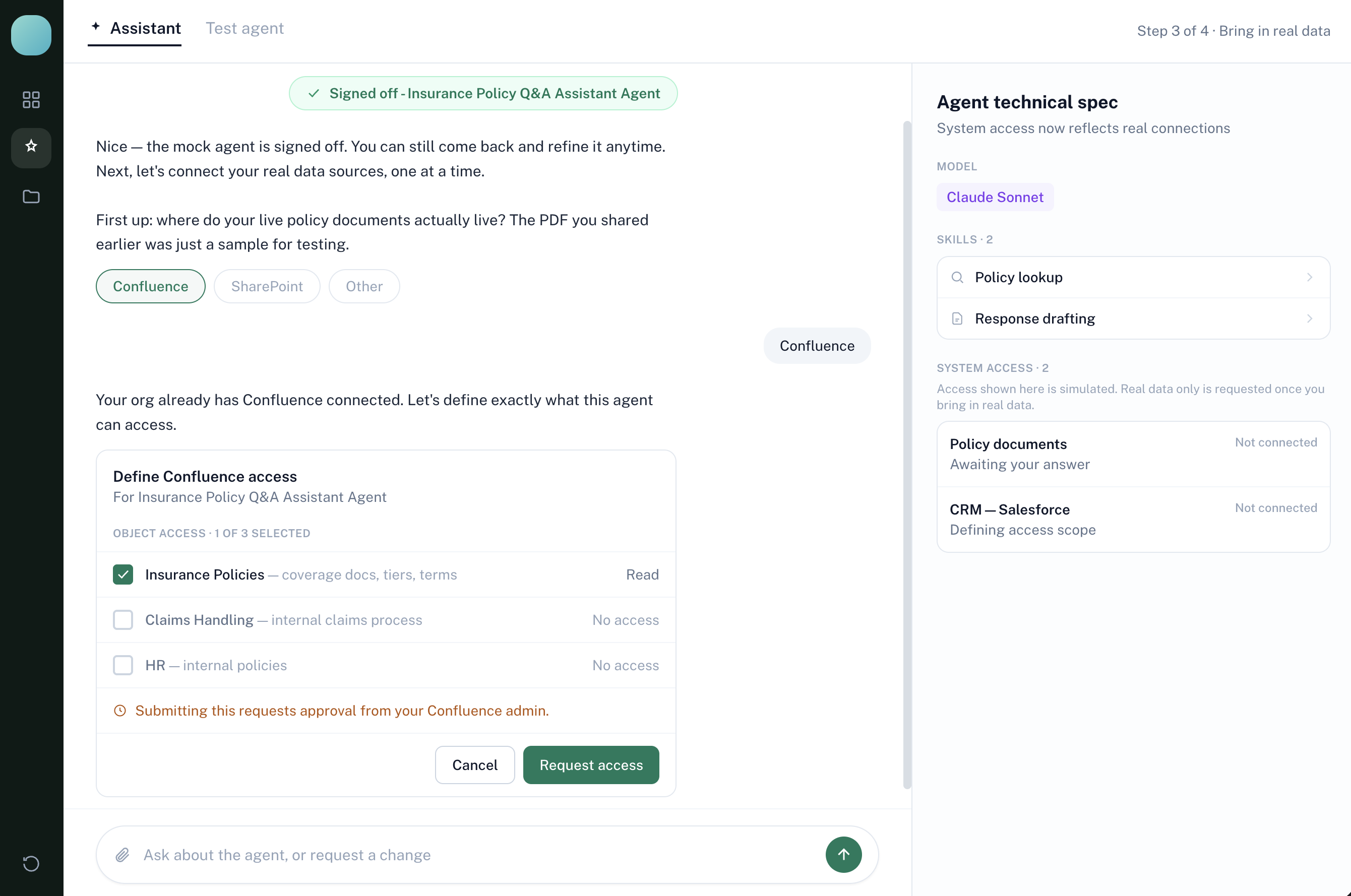
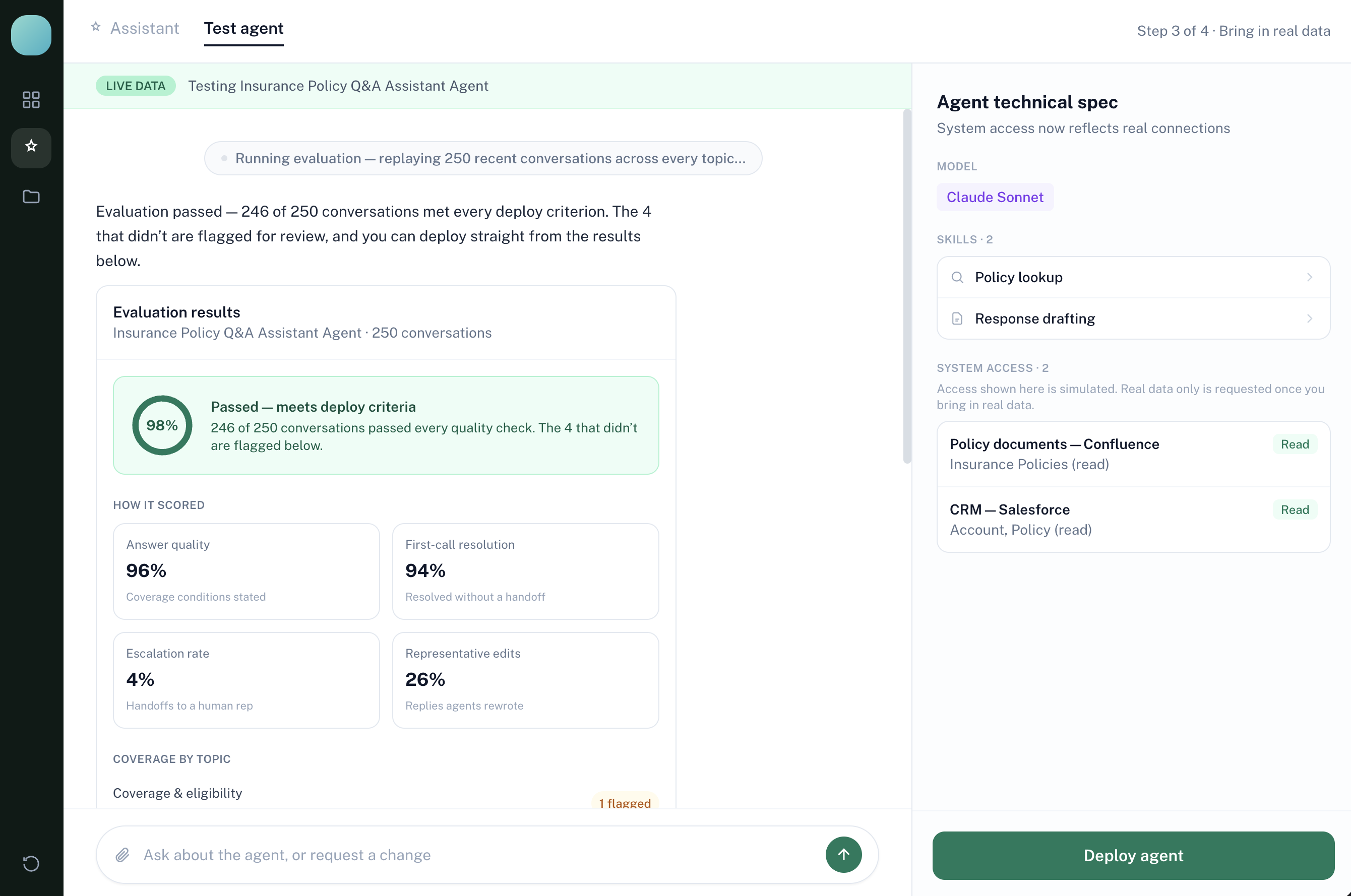
01 · Orby AI
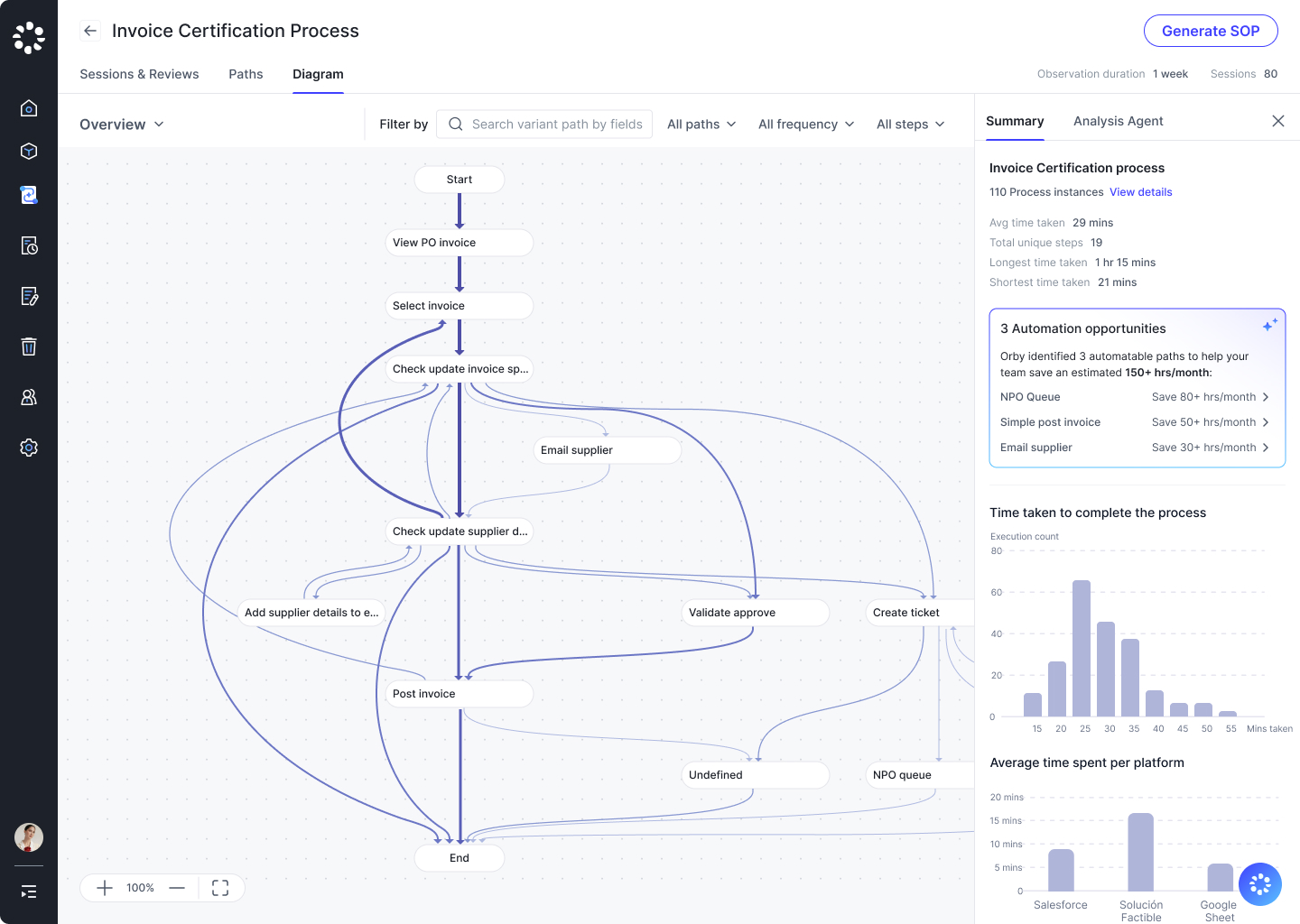
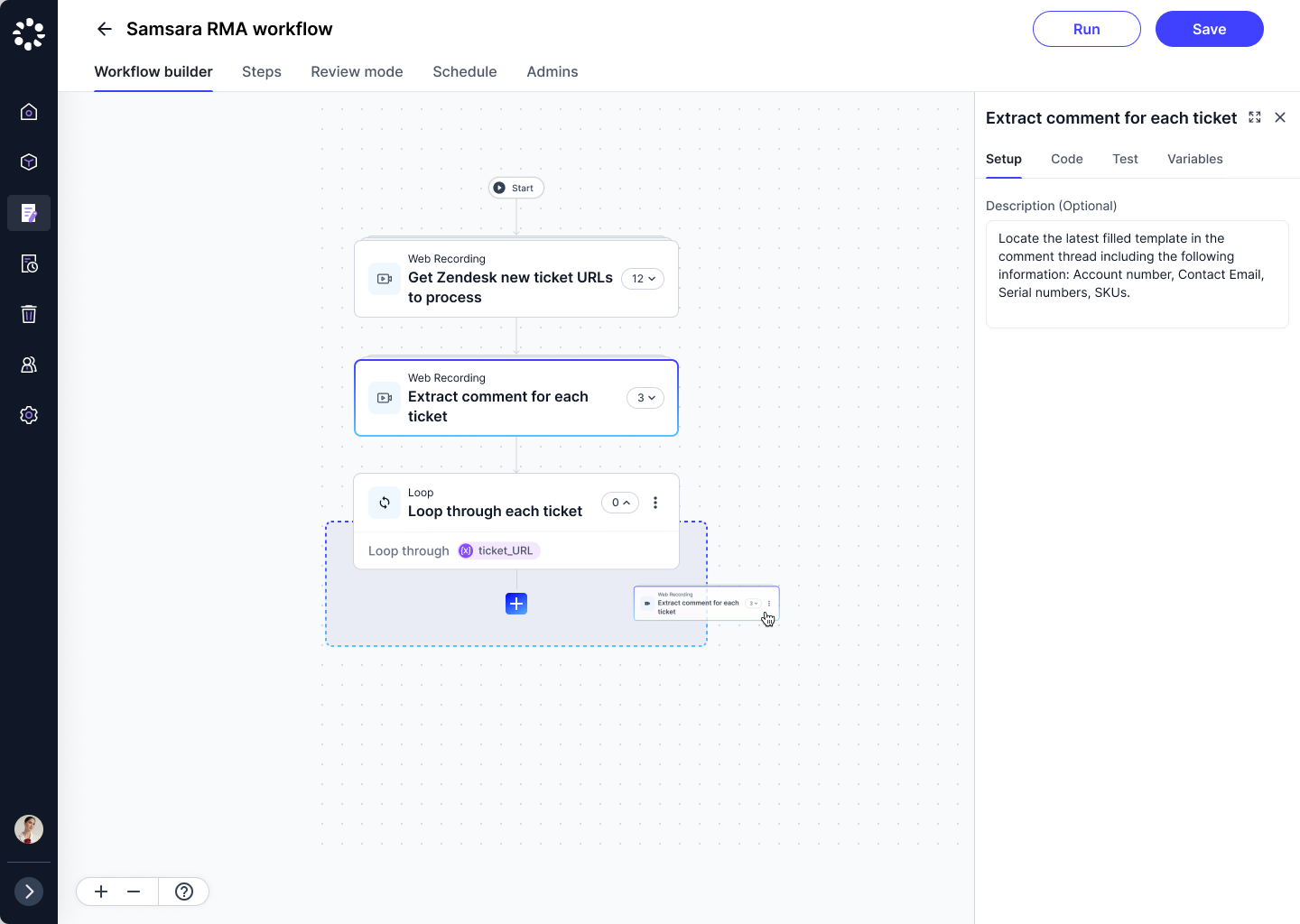
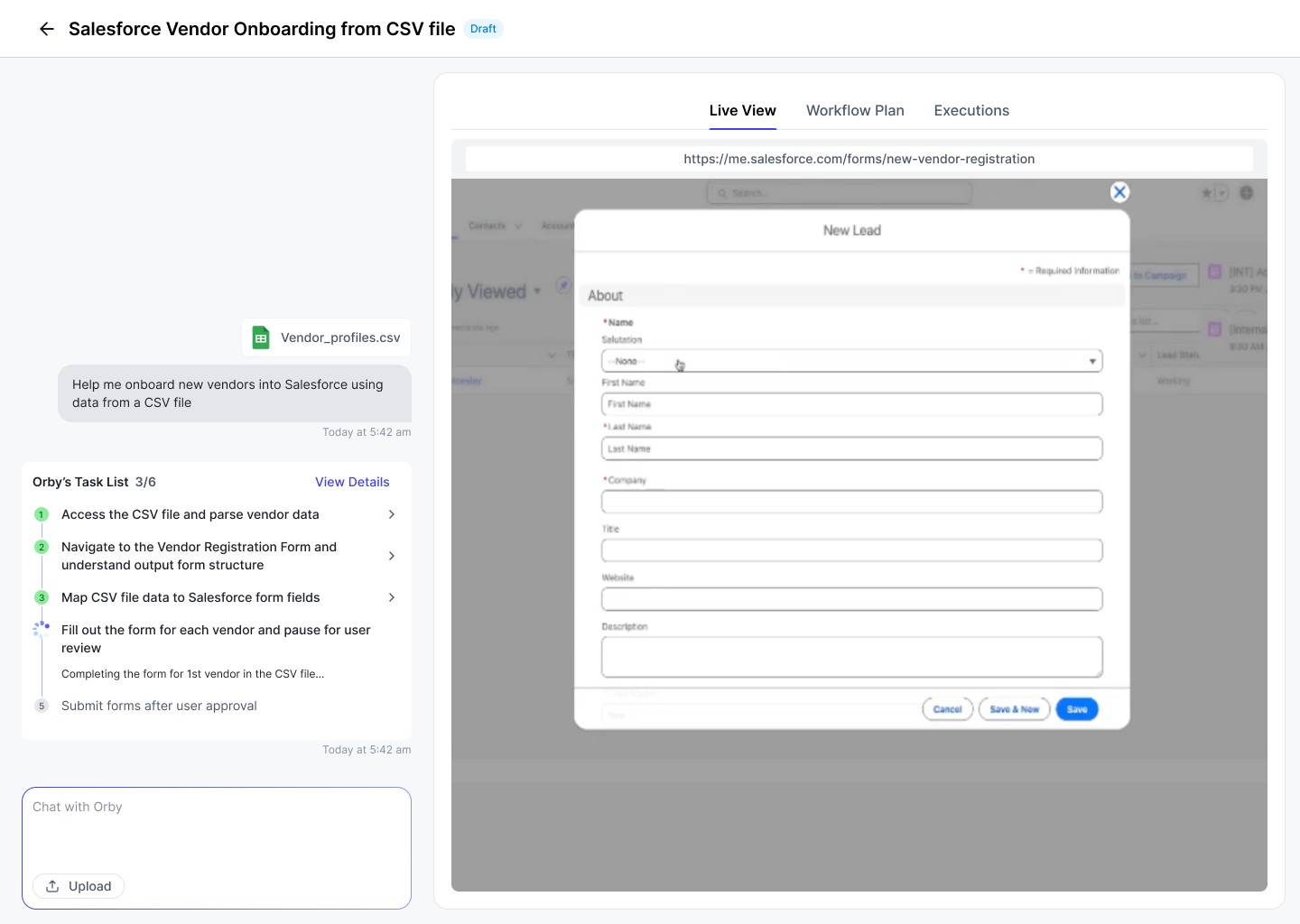
How a Series A startup moved from recorded demonstrations and visual workflows to agents that could reason, use tools, and collaborate with people.
As Head of Design, I helped navigate an undefined market and fast-changing technology—shaping the product thesis across three eras, building the design practice, and staying deeply hands-on to turn each bet into a coherent, high-quality product.
02 · Uniphore
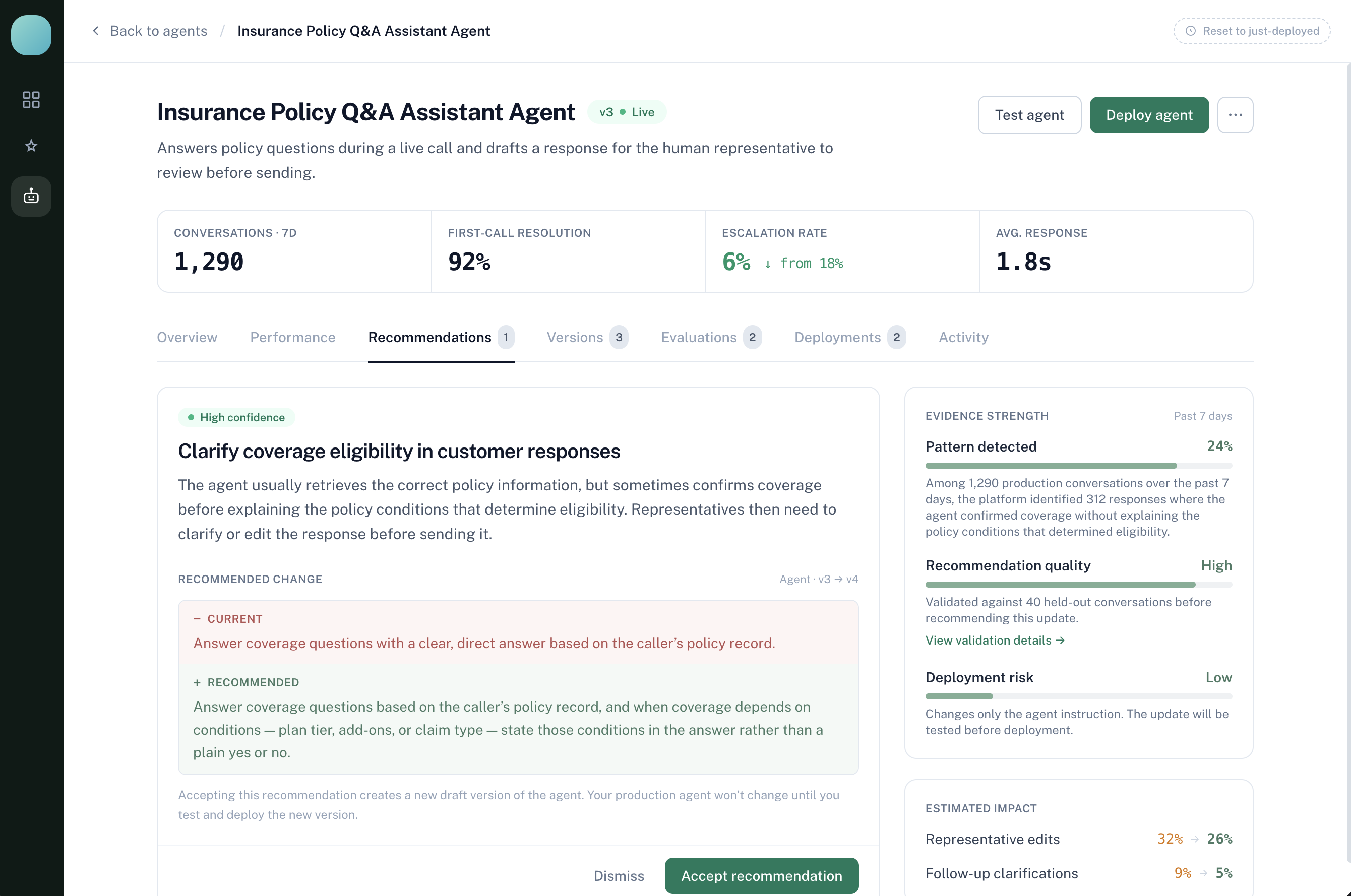
Designing the platform where every agent execution becomes evidence—and every validated improvement becomes reusable intelligence.
Following Orby’s acquisition, I led product design across the AI agent lifecycle and shaped the system connecting operational data, evaluation, human judgment, continuous improvement, and organizational knowledge.
03 · Amazon
Transforming Amazon’s most valuable mobile surface into personalized Window Displays.
I led the experience vision, directed designers and art directors, secured senior leadership support, and created the framework that enabled hundreds of teams to move together.
The first decade
Selected work from the first ten years of my design career—the experiences that shaped how I think, lead, and build today.
Leadership × craft
Give emerging technology a clear purpose and a future people can align around.
Build mental models that make powerful systems understandable and governable.
Grow teams, principles, systems, and culture so strong design can flourish.
Stay hands-on and use AI-assisted development to make the future tangible early.
About me
Core strengths
01Navigating ambiguity in emerging technology
020→1 product leadership
03Cross-organizational influence without authority
04Building and scaling design teams
Over 13 years, my work has ranged from building a design function from the ground up and taking an unproven product thesis through acquisition, to shaping customer experiences at global scale. I built and led design at Orby AI through its acquisition by Uniphore, previously founded the design practice for AWS’s data-center supply-chain platform, and led global consumer experiences at Amazon.
My background in digital media—and my experience with information visualization and photography—shapes how I observe people, recognize patterns, and make complexity tangible.
I’m most energized when the technology is new, the path is unclear, and the mental models are still forming—where design can create shared direction, turn possibility into product, and help teams build a future people can trust.
How I lead
My job isn’t just the product—it’s the environment that produces it. Charter, vision, hiring, and the mechanisms that hold quality together matter as much as any single deliverable.
Set direction most of the time. Go as deep as the details require when the team needs it. Knowing which one to do, and when, is the job.
When a team loses its way, the fix isn’t more effort—it’s breaking the problem down, naming the real priority, and giving people a path they can actually walk. Then standing between them and whatever would pull them off it.
Influence across product and engineering comes from judgment worth including, not from a title. I’ve built that seat at every company I’ve worked at—not inherited it.
Good judgment doesn’t scale by staying in one person’s head. The practices, principles, and critique culture I build are what let a team hold a bar without me in the room.